
Over the last two decades I have helped hundreds of high schoolers successfully navigate the transition from high school to college. Most often this is the most difficult transition an adolescent will experience. This transition requires a student acquire a large toolbox of new skills in a short amount of time. This is one reason why one of the most common reasons parents call me is because their high school or college student is having trouble managing the pressure the high school to college transition causes. This is especially true for students who have a learning difference or learning disability caused by a psychological, neuropsychological or physical condition such as ADHD, test anxiety or dyslexia.
Here in Tucson, one of the most valuable resources for incoming freshmen with learning disabilities and learning differences is the University of Arizona’s (UA) Strategic Alternative Learning Techniques (SALT) center. The SALT center fills an important gap for many incoming high school students who have learning differences that make adjusting to college highly stressful.
What is the University of Arizona SALT Center?
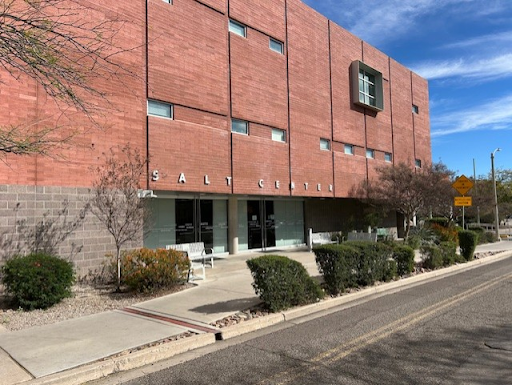
The University of Arizona SALT center is an academic support program that provides services to University of Arizona students with learning and attention challenges. The SALT center is a nationally recognized campus-based facility providing cutting edge services to students with special needs, including ADHD, dyslexia, and other types of mental or physical disabilities that require college-based support. The SALT center does this through tutoring, offering supportive consultation and helping students navigate various University of Arizona Departments.
The SALT center provides a critical bridge between high school support and college independence. In my 20+ years working closely with University of Arizona students and their parents, I have seen firsthand how the SALT center vastly improves academic outcomes for students with learning differences. One thing that makes the SALT center truly unique is the broad array of services they offer. The SALT center is deeply collaborative as well.
Given the high prevalence of learning disabilities in the college student population, the SALT center is a pivotal player in helping students successfully launch their college journey.
Services Offered by the SALT Center
The SALT center Tucson offers a full array of individualized services customized to each student’s learning style, including the following: academic tutoring and learning disability support, consultation and strategy services, and university resource navigation. I will now give you a brief description of each of these services.
Academic tutoring and learning support
University of Arizona SALT center tutors support students by identifying learning strategies each student can use based on that student’s unique collection of strengths and talents. Essentially, the SALT center uses a strength-based approach. Tutors make sure to expose students to a wide variety of tactical learning strategies. These learning strategies involve a multipronged approach so a student learns how to use visual, auditory, and kinesthetic techniques to maximize their ability to learn and lock in new ideas.
As the student develops a new toolbox for learning how to learn, that student also identifies how to structure their physical environment so they maximize their mental performance in the classroom and when they are studying outside the classroom.
Consultation and strategy services
SALT center staff also provide individually customized assistance with goal setting, educational planning, time management, organization, and learning strategies. As staff are doing this, they are also always doing so within a context of support where they are responsive to other concerns students raise as they may be struggling to adjust to the college environment. Part of this involves helping students learn how to advocate for themselves in a way they have never done previously. SALT staff are trained to help students improve how they communicate to their teachers and with their fellow students.
Students are also taught ways to maximize how much they can learn through strategies such as Mind Mapping and the use of mnemonics. This allows students to become more confident as they tackle increasingly complex material.
University Resource Navigation
SALT Center staff help students recognize the full variety of resources available to them through electronic programs offered to University of Arizona students. It is difficult for students to on their own become fully aware of all of the educational and assistive technology available to them, such as U of A online platforms such as Brightspace, TracCloud, & Zoom. SALT center staff also assist students with installing Adobe software or MS office for free through University of Arizona campus licensing.
The overarching purpose of orienting students to all of these resources is to help students optimally leverage digital resources so they can maximize their level of organization and efficiency. The SALT Center services also offer workshops that complement the individual tutoring, which helps students feel they are part of a community of fellow learners. Examples of workshops include how to manage your time and stay organized and how to use the latest apps and mobile devices to maximize your learning.
Who Benefits from SALT Center Services?
There is an incredible variety of students who benefit from the services offered by the SALT center. Examples of students that benefit from the SALT center include students who have unique learning differences (e.g., needing lots of visual support), specific learning disabilities (SLD), individualized education plans (IEPs), 504 plans, ADHD, dyslexia, test anxiety or who have medical conditions that make learning difficult. One of the primary benefits of utilizing the SALT center is the ADHD support the staff members have been trained to offer in a customized manner. Also, students who have neuropsychological problems that are driven by medical issues such as head trauma.
Additionally, the SALT center is especially helpful for students who are struggling with the transition from high school to college, or the transition from another college to the University of Arizona. One reason this educational support center is so vital for so many students is it provides more sophisticated types of support then are offered by the typical college academic advisor. The truth is the typical college academic advisor has hundreds of students on their caseload, and they do not have the time or expertise to provide significantly customized mentorship or tutoring.
Many parents and students I have provided neuropsychological assessments for have reported feeling like the SALT center provides them with a sense of having a more intimate community within the larger University of Arizona campus community that can feel daunting.
The Role of Psychological Evaluations in SALT Center Success
Comprehensive neuropsychological evaluations allow students to have a clear understanding of their learning and cognitive strengths as well as knowing what their learning challenges are before they start at the SALT center. These neuropsychological evaluations also help students and their parents gain a crisper understanding of what accommodations will be critical for them to succeed at the college level.
Because psychological evaluations can involve interviews of high school teachers, these evaluations can reveal more nuanced information than is often revealed by a more generic individualized education plan (IEP). While individualized education plans are often critical for students with learning disabilities, they often do not capture important nuances that can help tutors at the SALT center hit the ground running.
A top-notch neurocognitive evaluation identifies how the student’s unique personality interacts with their unique learning style. For example, a student who has problems with anger management will often have low frustration tolerance. But when a neuropsychological assessment identifies the link between the students anger management problems and their lower frustration tolerance, it allows the college level tutor to immediately help the student develop tactics to handle more complex course related topics.
In crafting neurocognitive and psychological evaluations for SALT center students over the past two decades, I have learned that SALT center staff can gain an intimate grasp of key patterns that are holding the student back from reaching their true potential. When students can enter the SALT center program already having had a comprehensive neuropsychological evaluation, it allows the tutoring staff to begin teaching tactics right off the bat. For parents of incoming freshmen, this is a much preferred scenario than hearing from their students that they are not getting the immediate help they need in the first few months of their freshman year.
Having evaluated over 100 University of Arizona students over the last 20 years, I have seen how my neuropsychological evaluations can catapult students forward. These reports provide a playbook for the tutor and student to use to immediately craft a dashboard of learning and study tactics for the student.
How to Access SALT Center Services
To apply to the University of Arizona SALT center, click here to go to their online portal. You don’t need to be admitted to the University of Arizona to apply to the SALT Center, but final admission to the SALT Center requires prior acceptance to the University.
On their website, the SALT Center specifies that they specialize in providing support for students whose primary disability is a mild to moderate diagnosis of a learning and/or attention challenge. Please note the SALT Center program is not designed to support students who have problems with independent living skills, daily living skills, behavioral or emotional regulation skills.
A high school student does not need to have a certain GPA in order to gain admittance into the SALT Center. The SALT Center Admissions Team reviews applications to make sure that their services match with a candidate’s academic support needs. Because the soul center receives many applications, they strongly encourage students to apply as soon as possible, and ideally by January of their application year.
In order to apply to the SALT center a student must do the following using the SALT center portal:
1-uploaded documentation substantiating the learning or attention difference, such as a neuropsychological evaluation or an Individualized Education Plan or 504 plan
2-a thorough response to the reflection prompt which asks the student to describe a difficult situation they encountered in their life and how they handle that situation
3-pay the application processing fee
Working with SALT Center Students: A Psychologist’s Perspective

As a PhD assessment expert who specializes in conducting learning disability evaluations in Tucson, for over the last two decades I have worked with a multitude of SALT center staff. By constantly listening to what the SALT center staff are looking for, I have continued to customize my psychological evaluations so they are optimally user-friendly. My focus is to ensure my neuropsychological evaluations dramatically improve not only the effectiveness all SALT center staff can have, but also maximize each student’s outcome.
At the end of each of my neuropsychological or psychological evaluations is a user-friendly bullet point list of recommendations organized into tactical content areas. For example, I commonly will include numerous recommendations under each of the following categories: how to enhance learning style, how to use memorization techniques, how to study so you remain focused and how to best manage your time.
Additionally, the summaries of my neurocognitive assessments involve my making sure the student and any readers of my reports gain an intimate feel for what specific emotional or behavioral patterns need to be corrected so the student can reach their potential in college.
A typical journey for a student would be they undergo evaluation with my practice, which can often involve assessment of intelligence, reading, writing and math skills, as well as identifying their cognitive processing strengths and weaknesses. Then I have a feedback meeting with the student and/or their parents. During this feedback I provide what I call a dynamic mind map (DMM). The DMM is a visual flow chart of how a student’s mind operates so the student has greater understanding regarding what their strengths and weaknesses are.
After my feedback is completed, I remain in a consultant role if the student or parents have any follow-up questions. Students and their parents will then apply to the SALT center and the SALT center will review my comprehensive psychological evaluation report.
I’ve been told by numerous SALT center staff that they truly appreciate how thorough and nuanced my neuropsychological reports are. For example, SALT center staff report that they love how I put each students learning challenges into context by helping the tutor understand the personality assets and liabilities each student has.
When this is done, the tutor can immediately identify what the best approach will be to work with the student, rather than having weeks or months pass as they are trying to get to know the student so they can then develop better rapport with the student.

If you are considering the University of Arizona SALT Center for yourself or your student, a comprehensive neuropsychological evaluation is often the first step. I welcome inquiries from families navigating this process. I offer a full menu of neuropsychological, psychological and learning disability assessments. You can visit my website to see the specific information I offer regarding the assessment of learning disabilities as well as ADHD.
In addition to the services the SALT center offers, there are many other supportive resources for students who have learning challenges, who struggle with writing or who have mental health difficulties.
The Disability Resources Center at the University of Arizona (520-621-3268)
is the program that facilitates students receiving accommodations in the classroom. They do this by reviewing assessment reports that have been conducted on a specific student.
The THINK TANK (520-626-0530) at the University of Arizona provides academic support for all students enrolled at the University of Arizona
The Counseling and Psych Services (CAPS) center (520-621-3334) has licensed mental health professionals who help students cope with the hardships of life.
The Campus Health Services (520-621-6516) program is a place where students can seek medical healthcare, as well as receiving services to promote their health, wellness, safety.
Conclusion
If you are a student or parent of an incoming University of Arizona student, and that student has specific learning or focusing challenges, the SALT center is a potentially valuable resource. I encourage any student or parent to consider how the SALT center allows their student to reach their potential through customized tutoring and consultation services. The SALT center can allow students with learning challenges or learning differences to feel like they are part of a more intimate community within the much larger and more daunting University of Arizona community.
Feel free to fill out my quick and easy triage form if you want to learn more about my psychological services!